Monday, 23 June 2014

Reflections on Science performances and experiences

Termly Science Performance
My target is to get A1 for all my Science exams.

My plan to achieve target
1. I have to listen attentively in class
2. Be an inquisitive learner
3. Ask when in doubt
4. Revise consistently
5. Persevere to ace the subject

Improvements
1. I need to read and understand the question better before understanding. To do this, I will analyse the question carefully before answering to prevent any careless loss of marks.

2. I need to understand and revise the topics more consistently and thoroughly before the exams so I will have an ease of mind when answering as I had already revised it before.

3. I need to use key words when answering the questions to prevent careless loss of marks. When answering in the common test, I did not use key words thus losing marks although I knew the answer. I will try memorizing key words found in my notes so that I can ace my tests.

Reflection on Science experiences

Name of activity: Basic lab orientation
Venue: Science lab
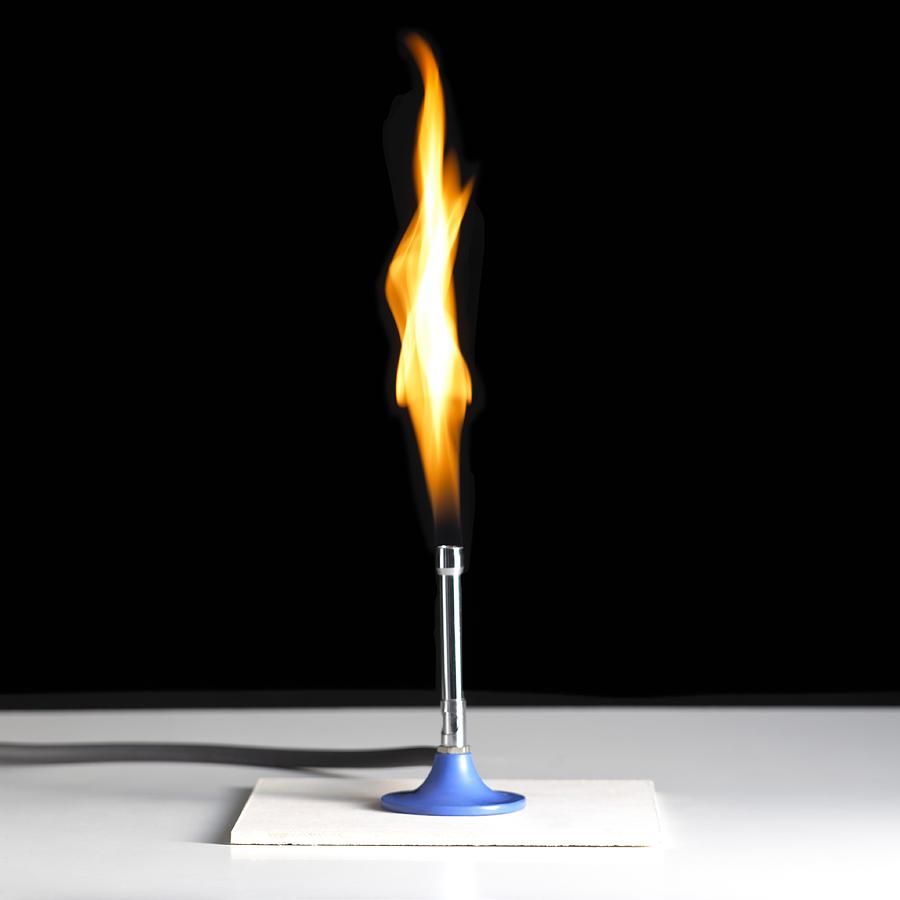
reference: http://images.fineartamerica.com/images-medium-large/1-bunsen-burner-flame-.jpg
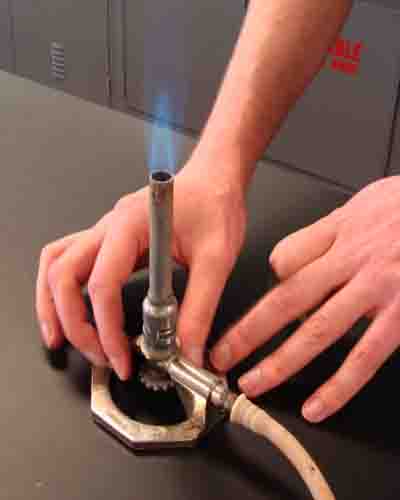
reference: http://www.scienceprofonline.com/images/science-image-library/microbiology/equipment/bunsen-burner-adjusting-flame-SIL.jpg
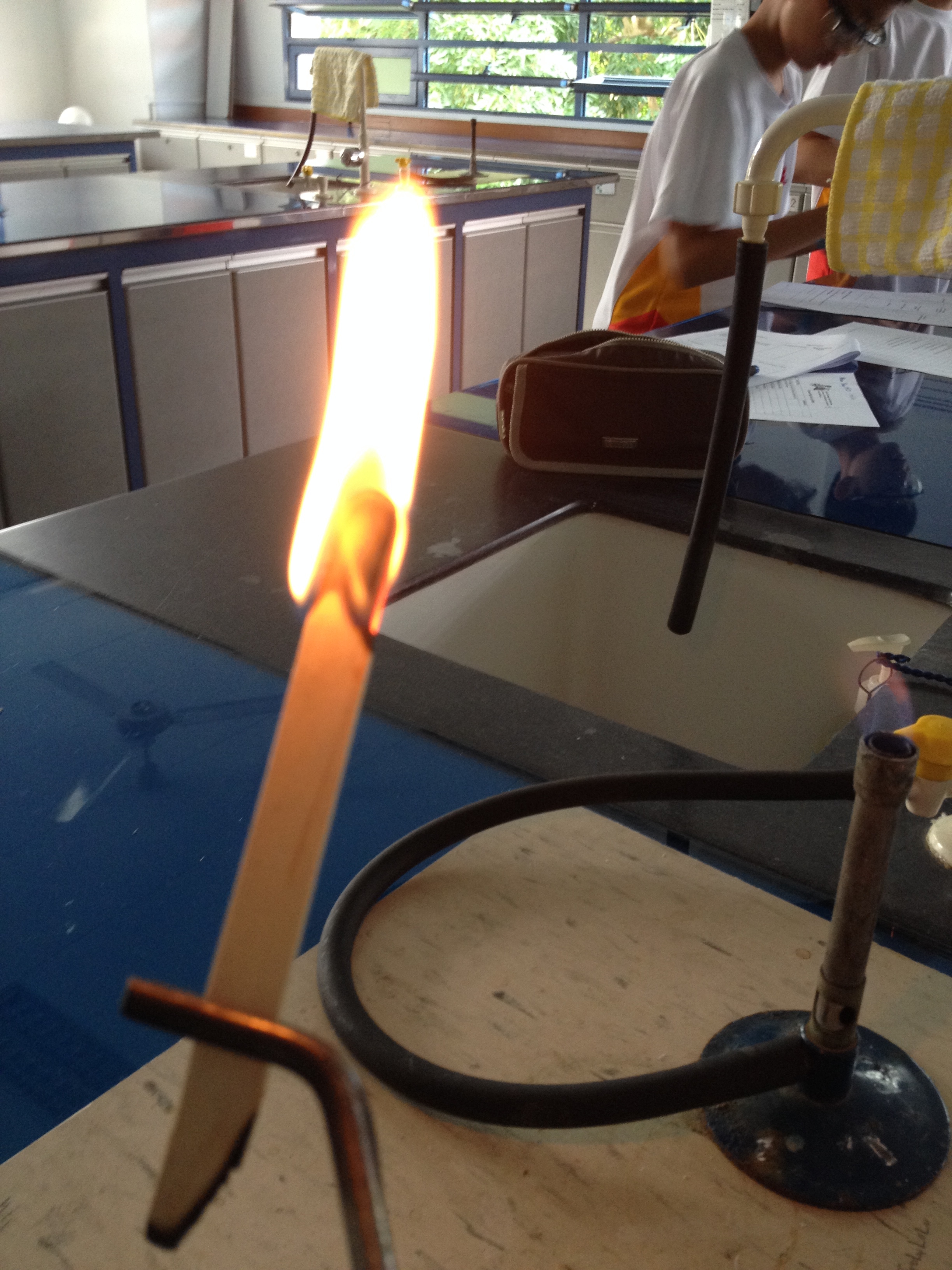
 reference:http://joashpoh.files.wordpress.com/2014/01/img_0063.jpg

What I have learnt from the activity
I learnt how to properly use a bunsen burner and how to change the flame from luminous to non-luminous and back. I learnt about the different lab equipments such as the burette and pipette and what their used for. I also learnt what to do when a "strike-back" occurs when lighting a bunsen burner. I think this activity was an eye-opener for me as this is my first time in the school lab, which is spacious and well-ventilated.

What do you like most and least about the activity?
I liked the fact that we were able to turn on the bunsen burner ourselves and observe how the flames turn from luminous to non-luminous.
I disliked memorizing the different lab equipments as there is a wide range of equipments.

What do you learn about your partner from the activity?
I learnt that my partner, Enoch, is actually a person who can project a calm demeanor when faced with adversity. We were unable to light the bunsen burner for the first few times and i was very anxious as most of my classmates have already done so. However, my partner was calm and we finally managed to light the bunsen burner.

Reflections on Science experiments

Name of activity: Making observations
Venue: Science lab
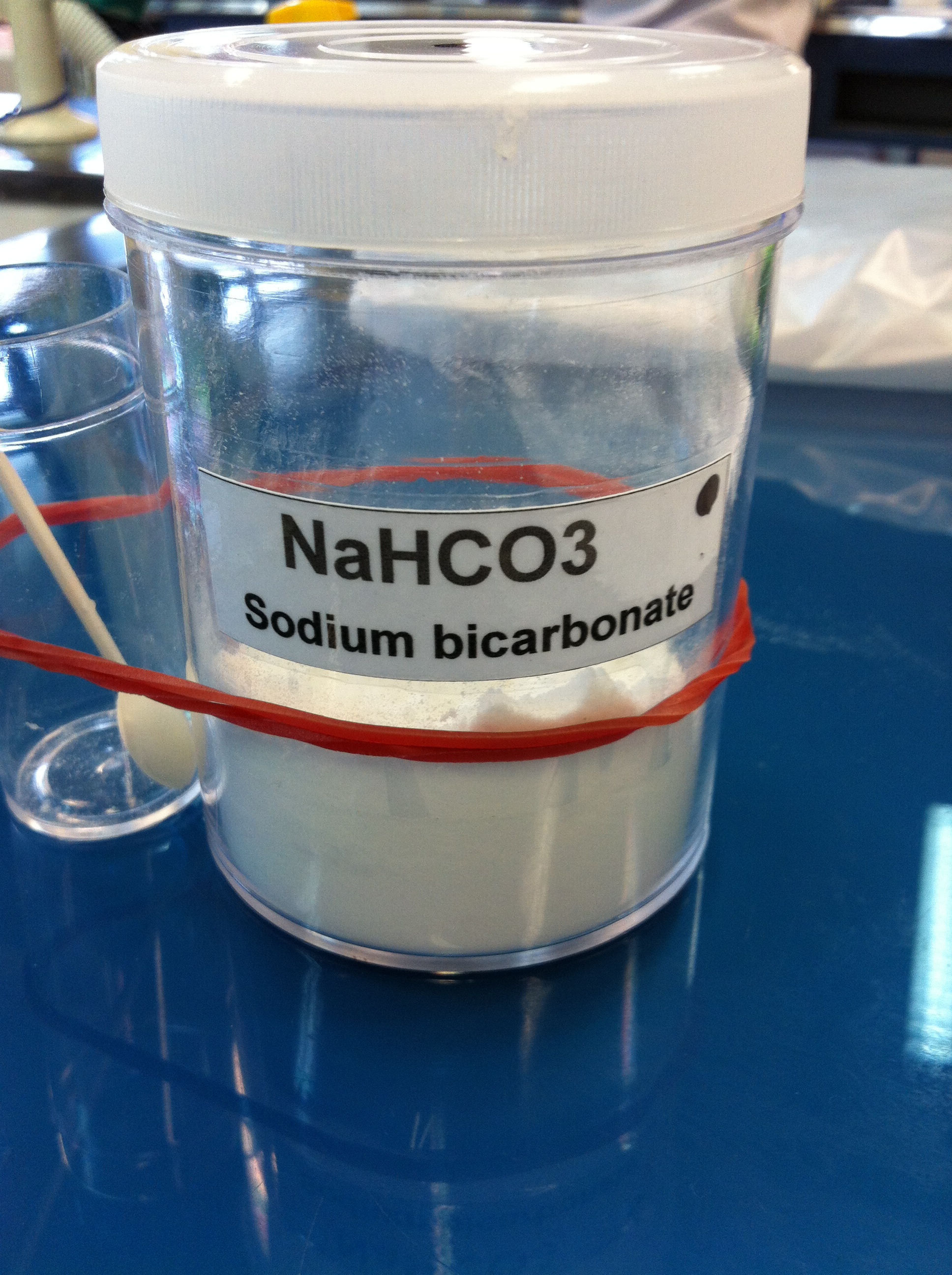
references: http://jonathonscienceblog1i3.wordpress.com/

What I have learnt from the activity
I learnt about the differences between an inference and an observation. I also learnt that when I have to make a lot of observations, it is really helpful to organize them into a table or graph for further manipulation. I learnt a lot of new terms from our Science teacher Mr Tan such as effervescence. I also learnt about the difference between mean, mode and median.

What do you like most and least about the activity?
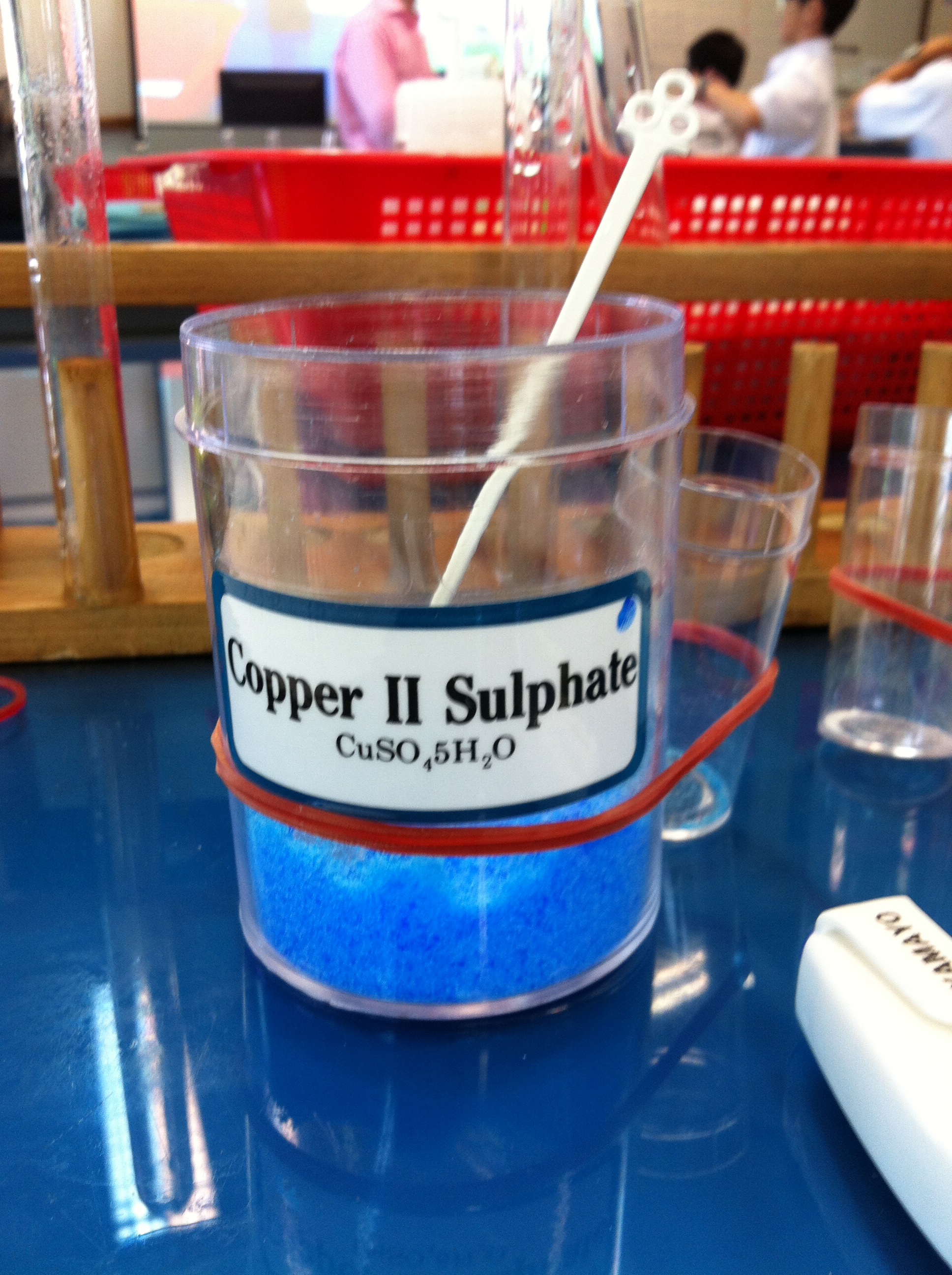
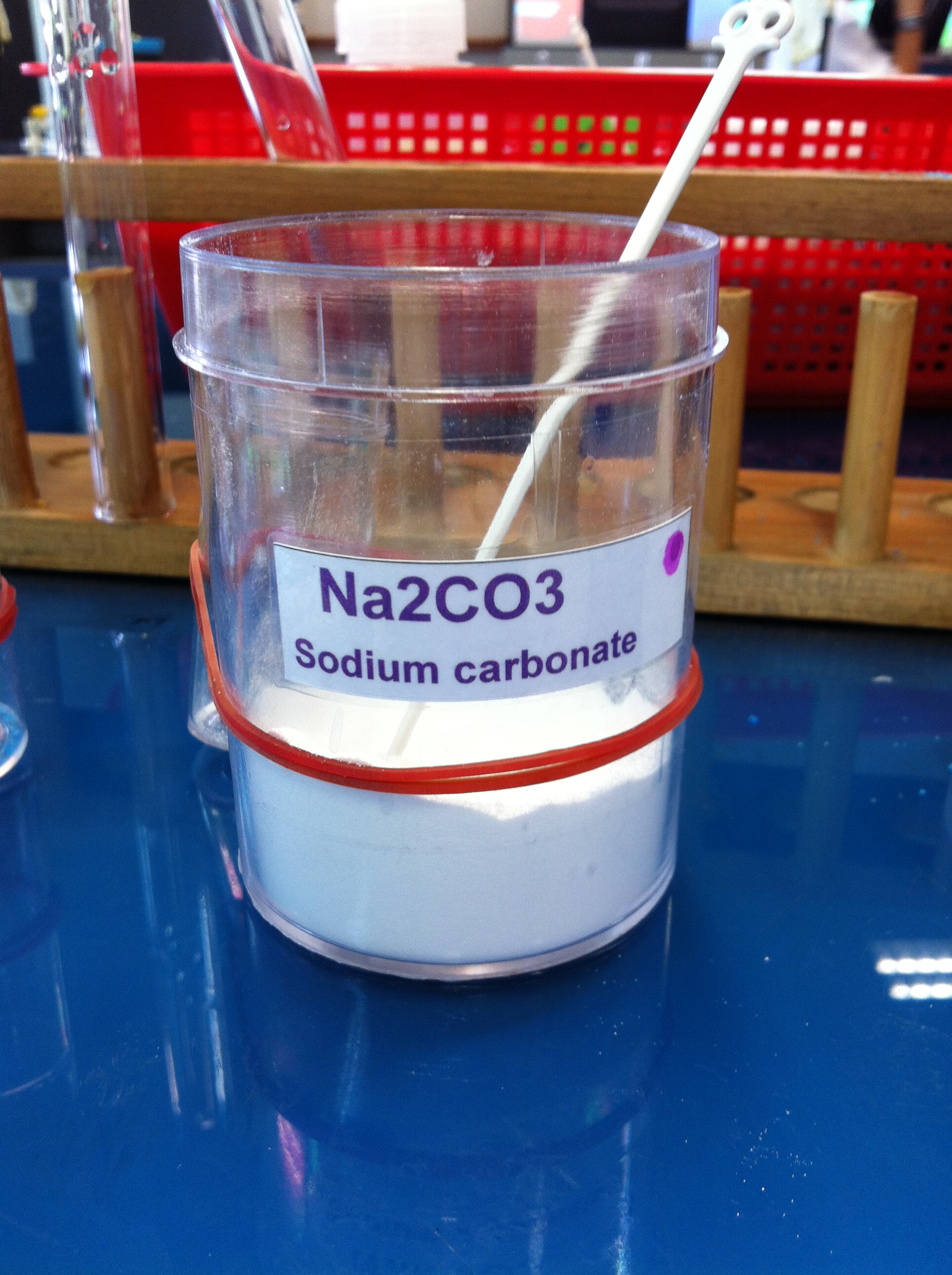
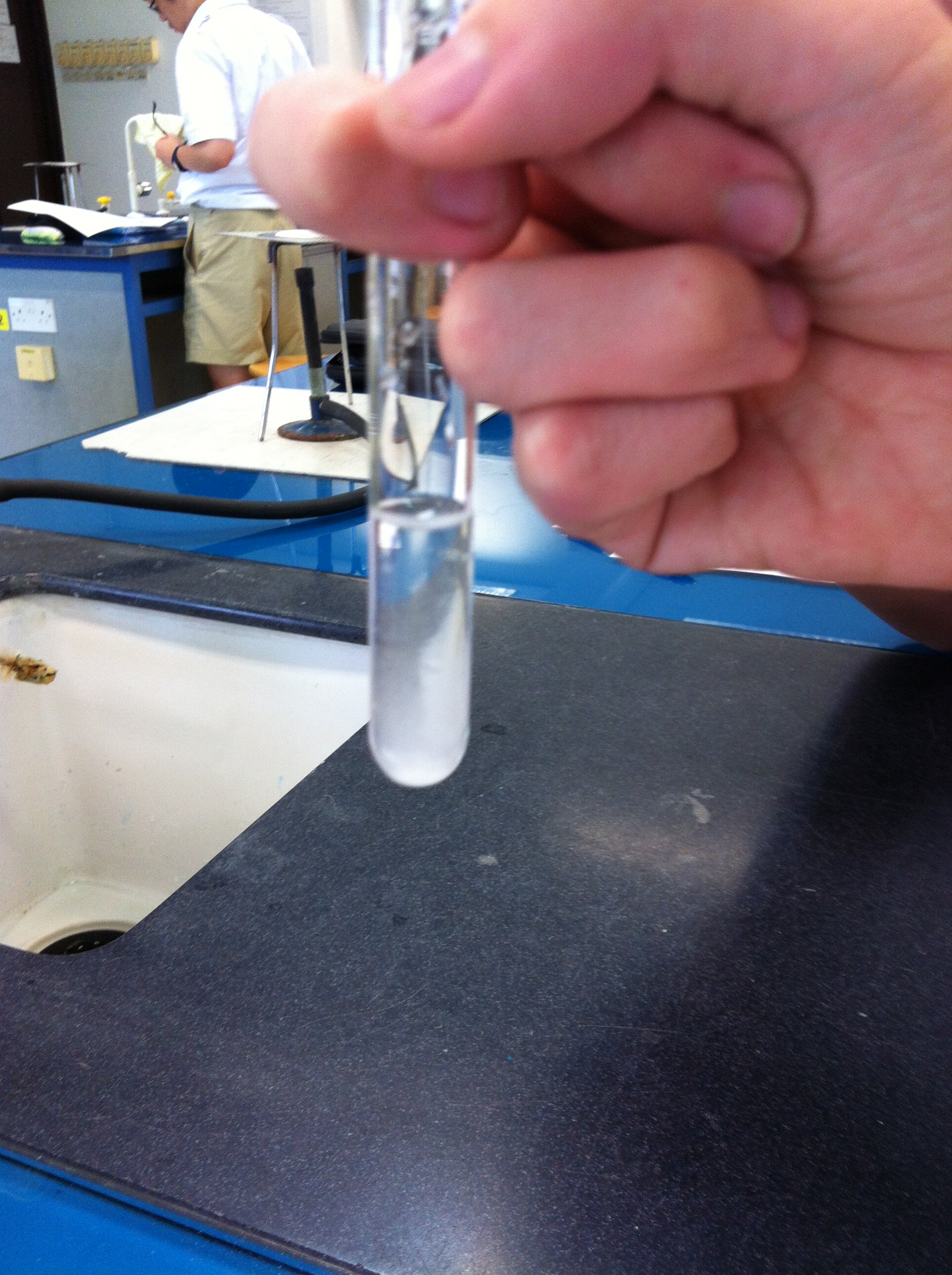
I like observing the chemical reactions between sodium carbonate and vinegar as it was really cool to see the effervescence of the gas and the sodium carbonate dissolving.
I disliked dripping the methylated spirit on my hand as it felt cool and awkward. I did not like the feeling of it.

What did you learnt about your partner from the activity?
I realized that my partner, Enoch, is really fun and engaging. He helped me a lot with the experiments such as pouring the vinegar to a depth of 1cm, which was really hard.

Reflections on Science experiments
Name of activity: Boiling Point of water
Venue: Science lab
   
reference: http://benaiahhoong.wix.com/scienceporfolio

What I have learnt from the activity
I learnt that we should read the readings of the thermometer at eye level to prevent parallax error. I also learnt about what to do if I accidentally break the thermometer a it is hazardous and poisonous. 

What I liked and disliked about the activity
I liked watching the temperature of the thermometer rising as I found it intriguing. I could also try to plot a temperature over time graph on the thermometer.
I disliked handling the thermometer as there is mercury inside and I am afraid of breaking it.

Thank you for reading!

Sunday, 22 June 2014

Issues in teaching and learning Science

Problems I faced in the learning of Science

1. I could not tell the difference between a Scientific law and a Scientific theory. To overcome this problem, I did some online research and finally understood the difference.

Scientific Law: This is a statement of fact meant to explain, in concise terms, an action or set of actions. It is generally accepted to be true and universal, and can sometimes be expressed in terms of a mathematical equation. They explain what will occur in a given circumstance.

Scientific Theory: A theory is an explanation of a set of related observations or events based upon proven hypotheses and verified multiple times by detached groups of researchers. They explain facts and, sometimes, laws.

A law governs a single action, whereas a theory explains an entire group of related phenomena.

2. I had problems with units conversion and faced difficulties in the term 2 class quiz on physical quantities. To overcome this problem, I tried worksheets on unit conversion but still had doubts on my abilities. I am still facing this problem today but I will try my very best to ace units conversion.
Here is a video found on Youtube demonstrating how to convert units easily.
 
Scientific concepts I have learnt
 
1. Organisation
2. Structure and function
3. Systems
4. Cause and effect
5. Attitudes
 
How are these knowledge and skills useful and relevant to the real world?
 
As a student, organisation is really important as I have a lot of notes. If I do not organise my notes properly, I might not be able to find it at a crucial moment such as when I need it to revise for my exams. I need to have the attitude of being meticulous so I can refer to my notes easily. I should also have the attitude of integrity by not copying my friends work. The knowledge of structure and function helps me as when my friend has a bone fracture, I will understand which part of his body is not functioning properly due to the fracture and how I can help him. Understanding systems also help me understand simplest of things such as the heat change of boiling water when ice is submerged in it.
 
What I have learnt which is beyond my textbook/notes knowledge?
1. I found out that there are 5 states of matter, 2 more than the 3 I know of. The 5 states are gaseous, liquid, solid, plasma and Bose-Einstein condensate. These further piqued my curiosity in Science and I went on to find out its structure. (Kinetic Particle Theory)
 
2. I learnt that clocks from the olden days use the concept of pendulums to tell time as the pendulum never stops swinging, so it will be able to tell time correctly. Most watches we use now use batteries and it might slow down in the future.
 
3. I learnt that the phones now are able to store 64 Giga bytes of data, some even more! That's 10^9! All that data is stored in a tiny microchip that will be inserted into the phone. This made me more interested in prefixes.
 
Fun videos:D
To watch more videos, simply click here > AsapSCIENCE
Thank you for reading! 


Saturday, 21 June 2014

Solutions,suspensions and solubility

Solution
A solution is a homogeneous mixture.
  • The particles of solute in solution cannot be seen by naked eye.
  • The solution does not allow beam of light to scatter.
  • A solution is stable.
  • The solute from the solution cannot be separated by filtration (or mechanically).
Suspension
A suspension is a heterogeneous mixture.
  • A particles of solute in suspension can be seen by the naked eye.
  • The suspension does not allow beam of light to scatter.
  • The solute from the suspension can be separated by filtration.
Solubility
The solubility of a substance is the maximum amount of that substance that will dissolve in 100g of solute at a given temperature.
References from Wikipedia 

Separation Techniques

How do you separate a liquid from a soluble solid?
How are you going to separate a liquid from an insoluble solid?
Today's blog post is about separation techniques.

Filtration
This method is used to separate a suspension into its components - the liquid and the insoluble solid. The use of the filter allows the filtrate (liquid) to pass through and retains the insoluble solid particles (residue).
Crystallisation
This method is used to separate a solution into its components - the liquid and the solute (dissolved solid). The solute is obtained in the form of pure crystals. Crystallisation can either be carried out through the rapid cooling of a saturated solution or the slow evaporation of a solution at room temperature. 
Sublimation
This method refers to the direct state change of solid to gaseous state without passing through the liquid state. This method is used to separate a mixture of solids, one of which sublimes. It may be used to obtain a pure sample of the solid which sublimes.
Magnetic separation
This method is used to separate a magnetic material from a mixture containing other non-magnetic materials. A strong magnet is held near the mixture, allowing it to attract magnetic substances while leaving a residue of non-magnetic materials.

Distillation
This method is for the separation and purification of liquids based on the differences in boiling points or volatility of the liquids.
The two main methods of distillation are:
Simple distillation, which is used to separate a pure liquid (solvent) from a solution containing dissolved solids.
Fractional distillation, which is used to separate mixtures of miscible liquids, which have widely different boiling points.
Separating funnel
This method is used to separate immiscible liquids.
Chromatography
This method is used to separate and identify small amounts of substances that are dissolved in solvents, to to determine if a sample is pure.
Thank you for watching. Videos from youtube and pictures from google.

Thursday, 19 June 2014

Kinetic Particle Theory, Brownian motion and Diffusion + Inertia

The kinetic model of matter states that all matter is made up of a large number of tiny particles called atoms or molecules that are in continuous random motion.
States of matter (using the kinetic model of matter )

Solid
Arrangement of particles > Closely packed in an orderly arrangement
Motion of particles > Vibrate about fixed positions
Space between particles > Very little
Forces between particles > Very strong attractive forces

Liquid
Arrangement of particles > Loosely packed in an disordered arrangement
Motion of particles > Slip, slide and roll about one another
Space between particles > Little
Forces between particles > Strong attractive particles

Gas
Arrangement of particles > Very far apart in a random arrangement
Motion of particles > Move freely and randomly at high speeds in all directions
Space between particles > Very large
Forces between particles > Weak and negligible attractive forces
Brownian motion

Brownian motion is the random motion of particles suspended in a fluid (a liquid or a gas) resulting from their collision with the quick atoms or molecules in the gas or liquid.
The Roman Lucretius's scientific poem "On the Nature of Things" (c. 60 BC) has a remarkable description of Brownian motion of dust particles. He uses this as a proof of the existence of atoms:
"Observe what happens when sunbeams are admitted into a building and shed light on its shadowy places. You will see a multitude of tiny particles mingling in a multitude of ways... their dancing is an actual indication of underlying movements of matter that are hidden from our sight... It originates with the atoms which move of themselves [i.e., spontaneously]. Then those small compound bodies that are least removed from the impetus of the atoms are set in motion by the impact of their invisible blows and in turn cannon against slightly larger bodies. So the movement mounts up from the atoms and gradually emerges to the level of our senses, so that those bodies are in motion that we see in sunbeams, moved by blows that remain invisible."
To find out more about the Brownian motion, click here
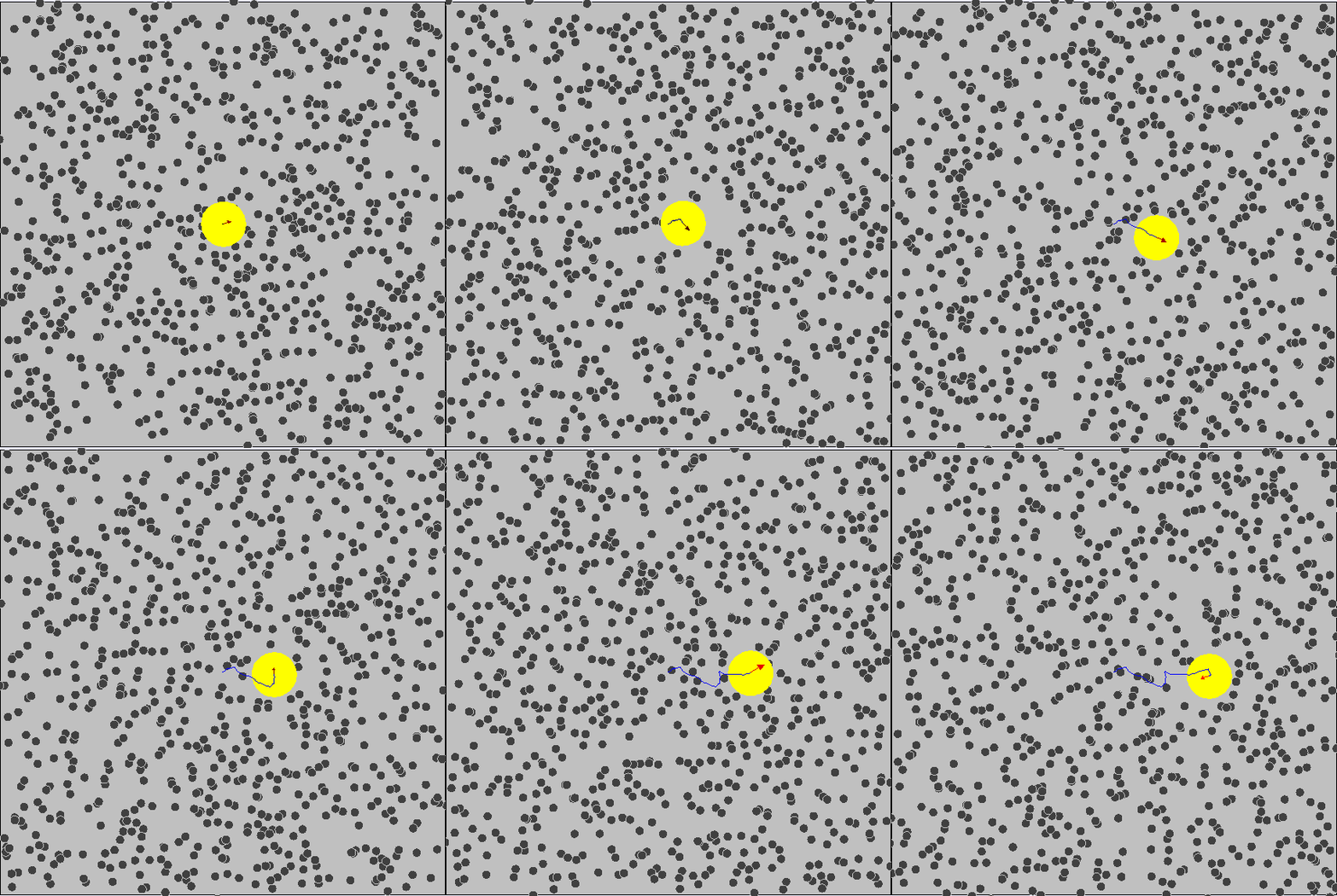
Here is a stimulation of the Brownian motion i found on Google.

Diffusion
Diffusion is the net movement of a substance (e.g., an atom, ion or molecule) from a region of high concentration to a region of low concentration. This is also referred to as the movement of a substance down a concentration gradient. A gradient is the change in the value of a quantity (e.g., concentration, pressure, temperature) with the change in another variable (e.g., distance). For example, a change in concentration over a distance is called a concentration gradient, a change in pressure over a distance is called a pressure gradient, and a change in temperature over a distance is a called a temperature gradient. 
To find out more on diffusion, click here
Here is a picture of Diffusion i found on Google
Inertia
Inertia is the resistance of any physical object to any change in its state of motion, including changes to its speed and direction. It is the tendency of objects to keep moving in a straight line at constant velocity. The principle of inertia is one of the fundamental principles of classical physics that are used to describe the motion of objects and how they are affected by applied forces. Inertia comes from the Latin word, iners, meaning idle, sluggish. Inertia is one of the primary manifestations of mass, which is a quantitative property of physical systems.Isaac Newton defined inertia as his first law in his PhilosophiƦ Naturalis Principia Mathematica, which states:
The vis insita, or innate force of matter, is a power of resisting by which every body, as much as in it lies, endeavours to preserve its present state, whether it be of rest or of moving uniformly forward in a straight line.
In common usage the term "inertia" may refer to an object's "amount of resistance to change in velocity" (which is quantified by its mass), or sometimes to its momentum, depending on the context. The term "inertia" is more properly understood as shorthand for "the principle of inertia" as described by Newton in his First Law of Motion: that an object not subject to any net external force moves at a constant velocity. Thus, an object will continue moving at its current velocity until some force causes its speed or direction to change.
On the surface of the Earth inertia is often masked by the effects of friction and air resistance, both of which tend to decrease the speed of moving objects (commonly to the point of rest), and gravity. This misled classical theorists such as Aristotle, who believed that objects would move only as long as force was applied to them.
To find out more on inertia, click here
Here is a video on Youtube about inertia. Enjoy!
Thank you for reading!

Classification of matter

Matter exist in 3 physical states: Solid, liquid and gas. However, did you know that matter can exist in 2 other physical states? Incredible! This 2 states are Plasma and Bose-Einstein Condensate.

Plasma
Plasma is loosely described as an electrically neutral medium of positive and negative particles (i.e. the overall charge of a plasma is roughly zero). It is important to note that although they are unbound, these particles are not ‘free’. When the charges move they generate electrical currents with magnetic fields, and as a result, they are affected by each other’s fields. This governs their collective behavior with many degrees of freedom.
Plasma is one of the four fundamental states of matter (the others being solid, liquid, and gas). When air or gas is ionized, plasma forms with similar conductive properties to that of metals. Plasma is the most abundant form of matter in the Universe, because most stars are in a plasma state.
Plasma comprises the major state of matter of the Sun. Heating a gas may ionize its molecules or atoms (reducing or increasing the number of electrons in them), thus turning it into a plasma, which contains charged particles: positive ions and negative electrons or ions. Ionization can be induced by other means, such as strong electromagnetic field applied with a laser or microwave generator, and is accompanied by the dissociation of molecular bonds, if present. Plasma can also be created by the application of an electric field on a gas, where the underlying process is the Townsend avalanche.
The presence of a non-negligible number of charge carriers makes the plasma electrically conductive so that it responds strongly to electromagnetic fields. Plasma, therefore, has properties quite unlike those of solids, liquids, or gases and is considered a distinct state of matter. Like gas, plasma does not have a definite shape or a definite volume unless enclosed in a container; unlike gas, under the influence of a magnetic field, it may form structures such as filaments, beams and double layers. Some common plasmas are found in stars and neon signs. In the universe, plasma is the most common state of matter for ordinary matter, most of which is in the rarefied intergalactic plasma (particularly intracluster medium) and in stars. Much of the understanding of plasmas has come from the pursuit of controlled nuclear fusion and fusion power, for which plasma physics provides the scientific basis.
Click here to find out more about Plasma.
Here is a video found on Youtube about plasma.

Bose-Einstein Condensate
A Bose–Einstein condensate (BEC) is a state of matter of a dilute gas of bosons cooled to temperatures very close to absolute zero (that is, very near 0 K or −273.15 °C[1]). Under such conditions, a large fraction of the bosons occupy the lowest quantum state, at which point quantum effects become apparent on a macroscopic scale. These effects are called macroscopic quantum phenomena.
Click here to find out more about the Bose-Einstein Condensate
Here is a video on Youtube about the Bose-Einstein Condensate

Thank you for reading! I hope your mind was blown!

Tuesday, 17 June 2014

Elements, Compounds and Mixtures

Elements, compounds and mixtures are some categories that refer to the composition of a substance. The properties of substances allow scientists to identify a given substance as an element, compound or mixture.

Elements
An element is a substance that cannot be further broken down using chemical reactions to give simpler substances. For example, when common salt is heated and then electrically decomposed, it gives sodium and chlorine which cannot be further broken down into simpler substances. Hence, common salt is a compound while sodium and chlorine are elements.
An element has both a name and a symbol for it to be represented in the periodic table. For instance, an element may be named "hydrogen" and designated the symbol "H".
Here is the picture of a periodic table and a song from AsapSCIENCE. Enjoy!


An element is either made up of atoms or molecules. A molecule is a group of two or more atoms chemically joined together.
 
So, how do you classify elements?
 
1. Classification by state.
Elements can be classified according to their physical state at room temperature and pressure.
2. Classification as metals/metalloids/non-metals
Elements can also be classified by their metallic properties. Elements that are good conductors of electricity would be classified under metals while elements that are poor conductors of electricity would be classified under non-metals. However, there are some elements that have both metallic and non-metallic properties, which are classified under metalloids.
3. Periodic table classification
Elements belonging to the same column, or group, (vertical) have similar chemical properties while elements in the same row, or period, (horizontal) show a gradual decrease in non-metallic properties.
 
Compounds
A compound is a substance containing 2 or more elements chemically joined together. It can be decomposed to give 2 or more simpler substances. A compound is formed through chemical reaction between different elements. Usually, compounds can be broken back down into their constituent elements by using electricity or heat.
 
Mixtures
A mixture comprises 2 or more substances that are not bonded together through chemical means. It can comprise of elements, compounds or both, and these may be solids, liquids or gases.
 
Differences between a compound and a mixture
1. A compound's melting and boiling points are fixed, while a mixture melts and boils over different temperatures.
2. A compound requires chemical reactions to be separated into its constituent elements while a mixture may be easily separated into its components using physical means.
 
Periodic table
The periodic table is a tabular arrangement of the chemical elements, organized on the basis of their atomic numbers, electron configurations (electron shell model), and recurring chemical properties. Elements are presented in order of increasing atomic number (the number of protons in the nucleus). The standard form of the table consists of a grid of elements laid out in 18 columns and 7 rows, with a double row of elements below that. The table can also be deconstructed into four rectangular blocks: the s-block to the left, the p-block to the right, the d-block in the middle, and the f-block below that.
The rows of the table are called periods; the columns are called groups, with some of these having names such as halogens or noble gases. Since, by definition, a periodic table incorporates recurring trends, any such table can be used to derive relationships between the properties of the elements and predict the properties of new, yet to be discovered or synthesized, elements. As a result, a periodic table—whether in the standard form or some other variant—provides a useful framework for analyzing chemical behavior, and such tables are widely used in chemistry and other sciences.
In the standard periodic table, the elements are listed in order of increasing atomic number (the number of protons in the nucleus of an atom). A new row (period) is started when a new electron shell has its first electron. Columns (groups) are determined by the electron configuration of the atom; elements with the same number of electrons in a particular subshell fall into the same columns (e.g. oxygen and selenium are in the same column because they both have four electrons in the outermost p-subshell). Elements with similar chemical properties generally fall into the same group in the periodic table, although in the f-block, and to some respect in the d-block, the elements in the same period tend to have similar properties, as well. Thus, it is relatively easy to predict the chemical properties of an element if one knows the properties of the elements around it.

The information above is found on Wikipedia
Thank you for reading! The videos above are found on Youtube.